Camping tent home heating is required to enjoy a comfy sleep however an absence of proper air flow postures health and safety threats. Fire hazards, carbon monoxide gas poisoning and dampness retention are just a couple of problems to think about when making use of heaters in camping tents.
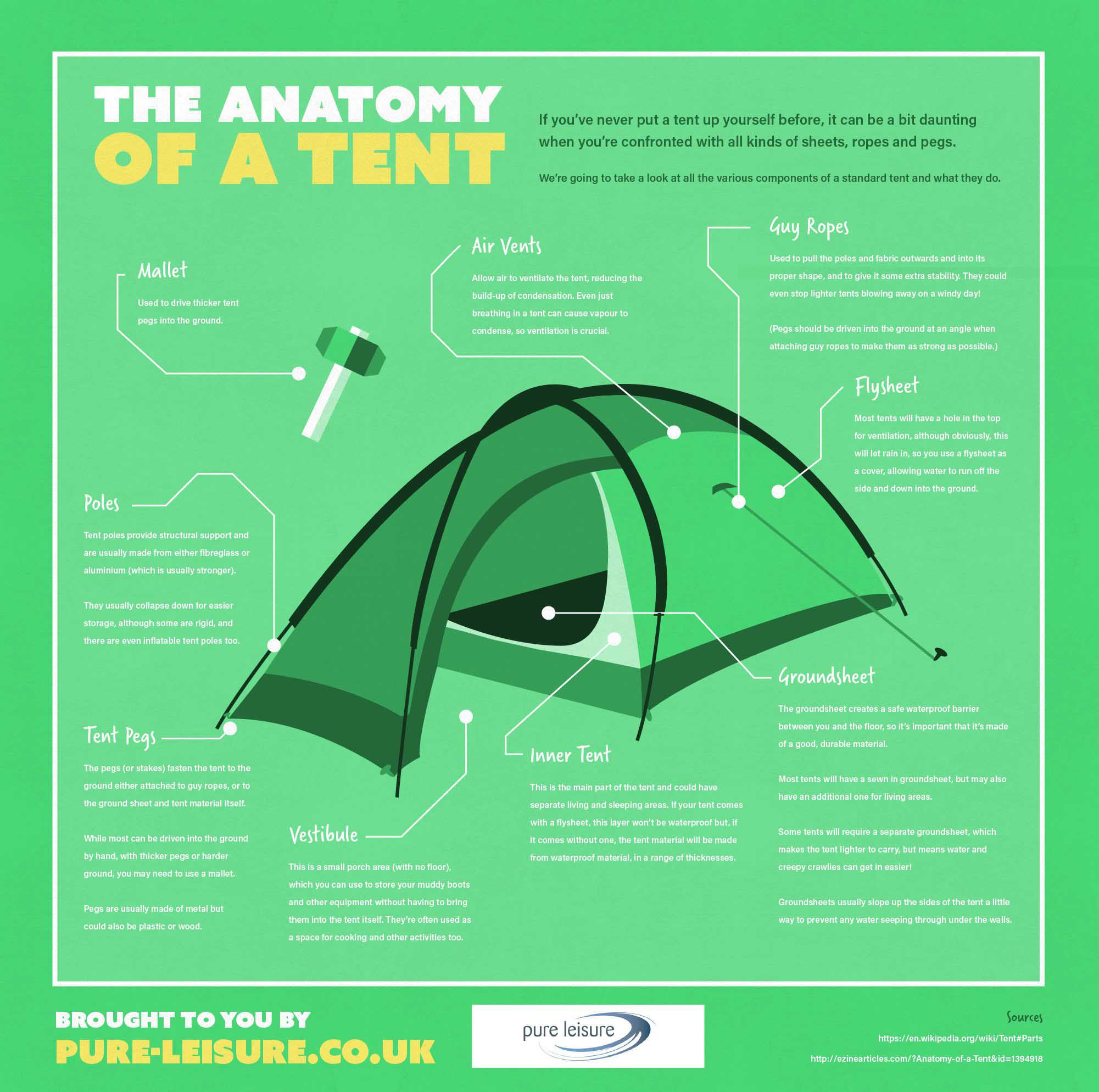
Ventilation layout is an important aspect for camping tent manufacturers, representatives and outside brands. Recognizing the aspects that drive ventilation supports item durability, comfort and environment compatibility.
Appropriately Positioning Heating Systems
The main safety concerns connected with tent home heating include fire hazards and oxygen deficiency. These dangers can be minimized by developing cross-ventilation, always sticking to the producer's guidelines and utilizing fire-resistant products for the tent and bordering areas.
To lower danger, professional camping outdoor tents producers deal with ventilation as an all natural style strategy. Seasonal outdoors tents frequently include long-term mesh panels that maximize air flow for a solitary climate, while four-season layouts employ flexible ventilation systems. These alternatives allow outdoors tents to accommodate differing weather conditions while preserving comfort and toughness.
Effective air flow relies on the stack result of hot air rising, driving convection currents and decreasing ambient temperature levels. Properly taken advantage of with roof covering vents and high-positioned openings, this ventilation system stops carbon monoxide poisoning while handling dampness and condensation. It likewise allows for cooler substitute air to get in from ground-level openings, balancing air flow with temperature control during peak warm.
Managing Dampness
Apart from security issues like carbon monoxide gas poisoning, moisture build-up within an outdoor tents can lead to discomfort and reduced resting convenience. It can also damage outdoor tents fabrics and materials triggering mold, odor retention and reducing of their life-span.
To prevent such issues, correct ventilation is essential. When feasible, camp in areas with a natural wind to help distribute air and keep humidity levels down. Pitch the outdoor tents so that air vents and home windows are oriented towards the wind, which will scoop up the amazing air and press it back with the openings guaranteeing that wet air does not get entraped in your tent.
B2B buyers sourcing camping tents for sale, rental operations or private-label branding must focus on air flow design as it straight influences end-user fulfillment, product toughness and lasting performance. Vented outdoor tents designs provide better flexibility in climates and use circumstances, permitting them to do ideally with differing temperature levels and humidity degrees. Ineffective air flow results in condensation, getting too hot, product destruction and unfavorable feedback from users.
Developing a Cross-Flow
A constant airflow keeps the inside of camping tents comfy without exposing individuals to dangerous conditions. Correct ventilation approaches complement energetic cooling and heat control strategies for a relaxing outdoor hunting camping experience.
Ventilation is accomplished via tactical layout, material choice and format decisions. Specialist outdoor camping tent makers deal with ventilation as a system instead of an add-on. As an example, roofing system vents make it possible for hot air to escape while ground-level openings admit cooler substitute air. This develops a natural convection present that guarantees an even air-change price, preventing stationary pockets of carbon monoxide and excessive moisture.
In addition to ventilating an outdoor tents, it is necessary to stay clear of breathing in things like chemicals and dust-- along with little virus particles launched by individuals who are sick with respiratory ailments. Great ventilation additionally lowers the probability of these particles getting to delicate areas, such as the eyes or nose. This is why it's important to adhere to the maker guidelines for your camping equipment and to utilize a carbon monoxide detector while copulating a wood stove or other energetic heating unit.
Preventing Carbon Monoxide Gas Poisoning
Carbon monoxide (CO) poisoning is an actual risk when heaters are made use of inside camping tents and other encased areas. This colorless, odorless gas kinds from incomplete combustion of timber, coal, lp and other fuels. It can paralyze or eliminate individuals without warning.
Proper ventilation avoids carbon monoxide buildup by permitting fresh air to circulate throughout the outdoor tents. It also helps manage moisture, condensation and temperature discrepancies. Wetness accumulation, for instance, accelerates textile aging, compromises finishings and triggers mold. It can likewise compromise a sleeping bag's or bed linens's protecting value.